

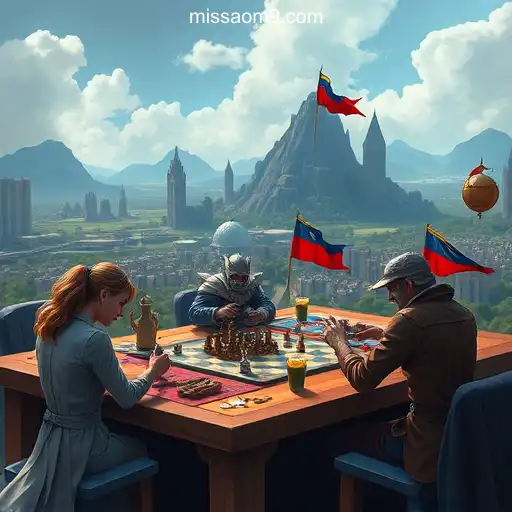
Exploring the Fascinating World of Tabletop Games
The world of tabletop games is one filled with excitement, strategy, and community. These games have enthralled enthusiasts for decades, and the genre continues to expand and evolve. From traditional board games to complex role-playing adventures, tabletop gaming offers a rich diversity that appeals to all age groups and interests.
The Rise of Tabletop Games
Tabletop gaming has a lengthy history, with some games dating back hundreds, or even thousands, of years. However, recent years have seen a remarkable resurgence in their popularity. With the advent of digital platforms, one might assume that traditional games would fall to the wayside, but instead, they have flourished.
The main reason for this surge is their ability to bring people together in a way that digital games often cannot. The tactile experience of moving game pieces, rolling dice, and the face-to-face interaction they encourage are invaluable. They foster a social environment that many crave in our increasingly digital world.
Types of Tabletop Games
There are countless varieties of tabletop games, each offering unique challenges and experiences. Popular categories include board games, card games, miniatures games, and role-playing games.
Board Games
Board games are perhaps the most common form of tabletop gaming, often played on a flat surface with dice and various pieces. Classic examples include Chess, Monopoly, and Scrabble. These games typically involve strategy, chance, or a blend of both.
Card Games
Card games can range from traditional decks like Poker and Blackjack to collectible formats like Magic: The Gathering. The latter has become quite popular due to its ever-expanding universe and the competitive aspect of building the ultimate deck.
Miniatures Games
Miniatures games involve painted models representing armies or factions, which are used in strategic battles. Games like Warhammer and Star Wars: X-Wing fit into this category, and players often enjoy the creative aspect of painting and customizing miniatures.
Role-playing Games
Role-playing games (RPGs) offer players the chance to take on the role of characters within a story. Games like Dungeons & Dragons involve complex storylines, character development, and cooperative gameplay, providing an immersive experience for participants.
Tabletop Games in the Digital Age
One might wonder how traditional tabletop games can thrive in a world dominated by digital entertainment. Yet, the realm of technology has complemented rather than hindered their growth. Platforms like the MISSAO-M9.com platform-online cassino Brasil #1 exemplify the use of technology in enhancing the appeal of gaming styles.
These digital hubs allow players to connect from anywhere in the world, offering versions of traditional games that can be played online. Communities of players can convene in virtual spaces to enjoy and strategize in their favorite games, often with additional features and support that the physical versions may not offer.
The Social Component
Tabletop games are favored for their ability to bring people together. Whether it's at a local game store, a convention, or a friend's house, these games provide a social feature that is important to many players. Regular game nights become a way to forge and nurture friendships, bonding over mutual appreciation for strategy and fun.
Bringing Strategy to Life
While chance plays a role in many tabletop games, skill, and strategy are often the deciding factors. Players need to think ahead, develop tactics, and adapt to changing conditions. This intellectual challenge is a key draw for many, offering a sense of accomplishment when strategies pay off.
Crafting the Community
The tabletop gaming community is a vibrant, welcoming space for people of all ages. Whether through local gatherings, online platforms, or global conventions, there is a sense of camaraderie among players. This community extends beyond just the playing of games; it includes sharing tips, creating fan art, and engaging in discussions about game mechanics and lore.
Conclusion
Tabletop games, with their extensive history and increasing popularity, prove that in a world gravitating towards the digital, there is still a significant place for traditional gaming experiences. By embracing technology, fostering community, and emphasizing strategic thought, tabletop games continue to capture the hearts and minds of players worldwide, ensuring a bright and promising future.